
Big tech is betting on hockey data. Here’s why amateur players should pay attention…and why sensors may matter more than cameras at the grassroots level.
This week, Teamworks, a sports technology platform valued at over $1 billion, announced its acquisition of Sportlogiq, the Montreal-based company that provides AI-powered analytics to 97% of NHL teams. It’s a significant deal that validates what we’ve believed at Drive Hockey since day one: data-driven player development is the future of hockey.
But while the headlines focus on the NHL, the real question for hockey families is: what does this mean for the 1,000,000+ amateur players across North America who will never skate in a professional league, but who deserve the same quality of performance feedback?
The Rise of Hockey Analytics
Sportlogiq built its reputation on computer vision, using broadcast camera footage to track player movements and generate advanced metrics like expected goals (xG), zone entries, and shot locations. For NHL teams with dedicated broadcast infrastructure and six-figure analytics budgets, this approach works brilliantly.
The Teamworks acquisition signals that consolidated sports tech platforms see hockey analytics as a strategic priority.
Why Amateur Hockey Needs a Different Approach
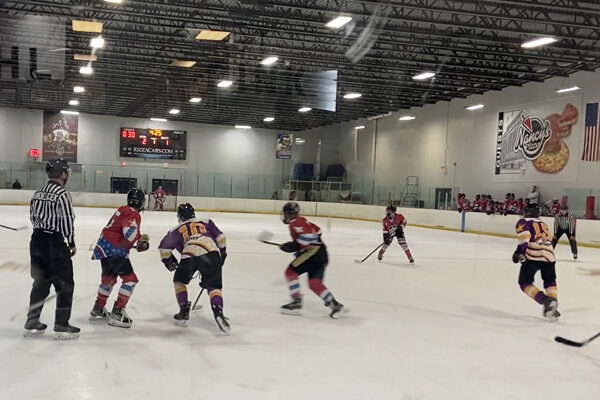
Here’s the challenge: the technology that works for NHL broadcasts doesn’t automatically translate to a 6 AM bantam game at your local rink.
Computer vision systems rely on camera positioning, lighting conditions, and video quality. They excel at post-game analysis of recorded footage. But amateur hockey happens in community arenas with inconsistent infrastructure, and parents and coaches want feedback they can act on, not just a summary of what happened.
That’s why at Drive Hockey, we took a different path: sensor-based tracking that captures real-time data directly from players and pucks, regardless of camera angles or arena setup. Our system measures what cameras often miss: skating mechanics, acceleration patterns, skill performance breakdowns, and the tactical positioning and decisions that defines a players hockey IQ.
Sensors vs. Cameras: Different Tools for Different Jobs
This isn’t about one technology being “better” than another. It’s about what each approach does well:
Camera-based analytic systems (like Sportlogiq) excel at tracking unique events, generating shot maps, and analyzing tactics from a bird’s-eye view. They’re powerful for scouts evaluating game film and coaches breaking down opponent tendencies.
Sensor-based systems (like Drive Hockey) capture the biomechanical performance of skating, the intensity of individual effort, and real-time positioning data that doesn’t depend on broadcast infrastructure. They’re built for development, helping a 12-year-old understand exactly what to work on to get to the next level.
For amateur hockey families spending $10,000+ annually on player development, the question isn’t “what do NHL teams use?” It’s “what will help my player improve?”
The Democratization of Elite Analytics
The Teamworks / Sportlogiq deal is part of a broader trend: sports technology consolidation that’s bringing professional-grade tools closer to grassroots athletes. That’s a good thing. Every player deserves objective feedback on their performance, not just the ones whose parents can afford private skills coaches or whose teams have video analysts on staff.
At Drive Hockey, we’ve tracked over 5,000 players across events in the USHL and CHL, providing the same depth of analytics that pro teams use, but at a price point that works for amateur organizations.
The future of hockey development isn’t about choosing between big tech platforms and grassroots solutions. It’s about giving every player, from first-year novice to junior draft prospect, the data they need to play smarter and perform better.
That’s the mission we’re building toward. And today’s news only reinforces that the hockey world is ready for it.
Want to see how sensor-based analytics can support your team or association? Book a demo at drivehockey.com/info-request